
How Topic Clusters Support External Link Acquisition
Explore How Well Organized Topic Clusters Attract Natural Backlinks
Earning external links has always been one of the most challenging aspects of SEO. While many websites focus on outreach or volume publishing, search engines increasingly reward sites that earn links naturally through value and structure. One of the most effective ways to achieve this is through topic clusters. Topic clusters are not just a content organization method. They are a strategic framework that helps search engines understand expertise while encouraging other websites to reference and link to your content. This blog explains how topic clusters directly support external link acquisition, why they work so well in modern SEO, and how they help build long-term authority in a sustainable way.
Understanding Topic Clusters in Simple Terms
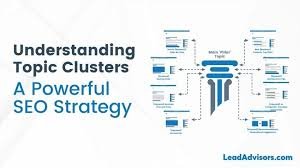
A topic cluster is a group of related content pieces organized around a central theme. At the center is a pillar page that covers the topic broadly. Surrounding it are supporting articles that explore subtopics in depth. These supporting pages link back to the pillar and to each other where relevant. This structure mirrors how people naturally explore information. Instead of reading one isolated article, users want context, clarity, and progression. Search engines recognize this behavior and reward websites that make information easier to understand and navigate.
Why External Links Matter More Than Ever
External links act as trust signals. When another website links to your content, it is essentially vouching for its value. Search engines interpret this as a sign of credibility and relevance. However, not all links are equal. Links earned naturally from authoritative or contextually relevant sites carry far more weight than artificial or forced links. Topic clusters make natural link earning easier because they provide depth, coverage, and clarity. Other content creators are more likely to link to resources that explain a subject thoroughly rather than to pages that only scratch the surface.
How Topic Clusters Increase Link Worthiness
Comprehensive Coverage Builds Confidence
When a website covers a topic from multiple angles, it becomes a reliable reference point. Journalists, bloggers, and researchers prefer linking to sources that offer complete explanations. A topic cluster signals that your site understands the subject deeply, not just at a surface level.
This confidence encourages external sites to link because they know their audience will find value, context, and additional reading options.
Clear Topical Authority Signals
Search engines evaluate topical authority by analyzing how well a site covers a subject area. Topic clusters send strong signals of relevance and expertise. When your content consistently addresses related subtopics, it becomes easier for search engines to associate your site with that theme.
As authority grows, external websites naturally discover and reference your content, especially when it appears frequently in search results for related queries.
Internal Structure That Supports External Linking
Internal linking within a topic cluster improves crawlability and content clarity across the website. Search engines can easily identify relationships between pages and understand how information flows within the cluster. This clarity does not stay limited to internal structure. When someone links to a single article inside the cluster, they are indirectly referencing a broader and well organized knowledge hub.
For example, a blogger may link to a specific supporting article because it explains one concept clearly. When readers arrive on that page, they are naturally guided toward the pillar content and other relevant resources. This seamless internal navigation increases the perceived authority and usefulness of the site, which makes future external linking more likely over time.
Content Depth Encourages Editorial Links
Editorial links are earned naturally when content adds genuine value, not when it is requested. Topic clusters support this process by offering content at different levels of depth and understanding. Some external publishers look for simple explanations, while others prefer detailed analysis supported by context.
A well built topic cluster satisfies both needs. It provides entry level information as well as advanced insights within the same theme. This range makes the content useful to a wider audience, increasing the chances that writers, editors, and researchers will reference and link to it in their own work.
User Experience as a Link Magnet
User experience plays a strong role in how links are earned. When visitors land on a page and quickly find what they are looking for, trust develops naturally. Topic clusters improve this experience by reducing confusion and guiding readers logically through related ideas instead of leaving them at dead ends.
Search engines observe engagement signals such as time spent on pages and navigation patterns. Strong engagement supports better visibility in search results. As visibility improves, more people discover the content, which naturally increases the chances of earning organic and editorial links.
Topic Clusters and Search Intent Alignment
Different users search with different goals. Some want quick answers, while others look for in depth guidance. Topic clusters allow a website to address multiple search intents under one consistent theme without diluting relevance.
This alignment helps content appear across a wider range of queries. As more users find content that matches their needs, usage increases. Writers and content creators often link to sources that already resonate well with their audience, making intent aligned clusters more link worthy.
Long-Term Value Over Short-Term Tactics
Traditional link building often focuses on short term outcomes that fade quickly. Topic clusters function as long term assets that continue to attract links because they remain useful and relevant. Once established, they support ongoing authority without constant restructuring.
As industries change, individual pages within a cluster can be updated without disrupting the overall structure. This flexibility helps maintain freshness and credibility. Over time, this consistency influences linking behavior, as publishers prefer stable and reliable resources they can reference confidently.
Supporting Expertise and EEAT Signals
Experience, Expertise, Authoritativeness, and Trustworthiness play a central role in how search engines evaluate content quality. Topic clusters strengthen all four signals in a natural and measurable way. Experience is demonstrated through practical explanations, contextual examples, and real world insights spread across related pages. Expertise becomes visible when subtopics are explored in detail rather than mentioned briefly.
Authoritativeness grows as multiple external websites reference different pages within the cluster. Trustworthiness is reinforced through consistency, accuracy, and structured information. When discussing competitive landscapes such as Best Digital Marketing Companies in USA, a cluster based approach allows for explanation of evaluation criteria, industry trends, and informed insights instead of unsupported claims. This depth encourages references rather than skepticism from readers and publishers.
How Topic Clusters Attract Diverse Link Sources
Different websites link for different purposes. Educational platforms look for clear explanations, industry blogs seek thoughtful analysis, and media outlets need context to support their narratives. Topic clusters serve all of these needs by offering layered content within a single theme.
Because topic clusters contain multiple entry points, they appeal to a broader range of link sources. One website may link to an introductory article, while another references an in depth guide. Together, these varied links strengthen the overall authority of the cluster rather than benefiting just one isolated page.
Reduced Dependence on Manual Outreach
Manual outreach can still be useful, but topic clusters significantly reduce dependence on cold link requests. When content is easy to discover, comprehensive, and well structured, external links tend to occur more naturally over time.
This does not eliminate outreach entirely. Instead, it improves its effectiveness. Sharing a complete and organized topic cluster is more compelling than promoting a single standalone article. Publishers are more likely to engage with content that reflects planning, depth, and long term value.
Measuring Link Growth From Topic Clusters
The impact of topic clusters on link acquisition is often gradual. Early indicators include improved rankings, longer session durations, and increased impressions. Over time, you may notice a steady rise in referring domains. Unlike aggressive link campaigns, this growth tends to be stable. Links earned through value are less likely to disappear and more likely to contribute to sustained authority.
Common Mistakes to Avoid
One common mistake is creating clusters without true differentiation between pages. Each supporting article must offer unique value. Another mistake is neglecting internal linking consistency. Without clear connections, the cluster loses strength. Finally, focusing only on volume instead of quality weakens link potential. A smaller, well-researched cluster often outperforms a large but shallow one.
Conclusion
Topic clusters support external link acquisition by transforming content into a trusted resource rather than isolated pages. They improve topical authority, enhance user experience, and align with how search engines evaluate relevance and trust. By offering comprehensive coverage and clear structure, topic clusters naturally attract editorial links over time. For websites aiming to build sustainable visibility and credibility, this approach is not optional. It is foundational. When content is organized for understanding rather than manipulation, links follow naturally.
FAQs
How do topic clusters help attract natural backlinks?
Topic clusters attract natural backlinks by presenting content as a complete knowledge resource. When multiple related articles support a central theme, other websites view the content as reliable and worth referencing. This structure increases confidence for editors and writers who want to link to sources that provide depth and clarity for their audience.
Are topic clusters better than standalone blog posts for link building?
Topic clusters are generally more effective than standalone posts because they offer context and continuity. While a single article may earn links, a cluster creates multiple link opportunities under one theme. Over time, this interconnected structure strengthens authority and encourages repeated linking from different sources.
How long does it take for topic clusters to generate external links?
Link acquisition from topic clusters is usually gradual. Initial benefits appear in improved rankings and visibility. As more users discover and engage with the content, external sites begin to reference it. This process may take several months but often results in stable, long-term link growth.
Do topic clusters work for competitive industries?
Yes, topic clusters are especially effective in competitive industries because they demonstrate expertise and commitment. When many sites compete for attention, structured and comprehensive content stands out. Search engines and external publishers are more likely to trust and link to content that explains complex topics clearly.
Can topic clusters reduce the need for paid link strategies?
Topic clusters can significantly reduce reliance on paid or artificial link strategies. By focusing on value, relevance, and structure, they encourage organic links that align with search engine guidelines. While promotion still matters, clusters shift the focus from buying links to earning them through quality.
Can topic clusters help attract links from authoritative websites?
Yes, topic clusters increase the likelihood of earning links from authoritative websites because they present information in a well researched and organized manner. High authority publishers prefer linking to sources that demonstrate subject mastery rather than isolated opinions. A strong cluster shows consistency, depth, and reliability, which aligns with editorial standards and encourages high quality references.
How does internal linking within topic clusters influence external linking?
Internal linking strengthens topic clusters by clearly showing relationships between pages. When search engines understand these connections, rankings improve, increasing visibility. External sites often discover one page through search and then explore others. This interconnected experience increases trust and makes the entire cluster more link worthy, leading to additional external references.
Are topic clusters effective for both new and established websites?
Topic clusters work for both new and established websites, although results may appear at different speeds. New sites benefit by clearly defining their focus early, while established sites use clusters to consolidate authority. In both cases, clusters improve relevance, engagement, and discoverability, which supports steady and organic external link growth over time.









0 Comments